
Core Service
Crawl Space Encapsulation & Vapor Barrier Systems
Crawl space encapsulation, vapor barriers, drainage, and humidity control for homes across Louisville, Southern Indiana, Owensboro, and nearby areas.
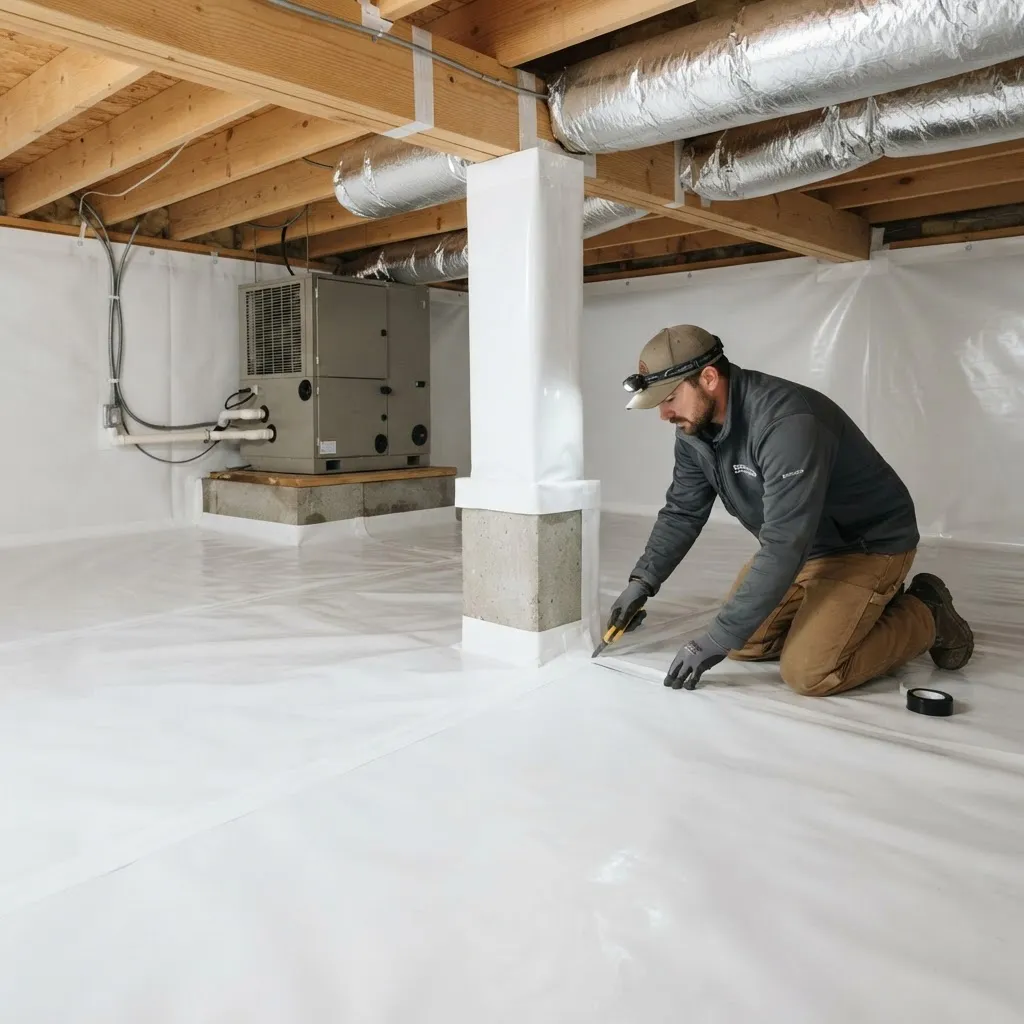
A clear, careful process from inspection to finished work
A crawl space should not function like an open source of ground moisture under the house. Mold Men evaluates the crawl for standing water, drainage, exposed soil, damaged vapor barrier, humidity, mold growth, and ventilation conditions before building a moisture-control plan. Encapsulation is designed for long-term control: correct bulk water first, address active growth, then install and seal a durable vapor-control system and manage humidity.
- Source-first planning — drainage and bulk water corrected before a liner is installed
- Durable, sealed vapor control across exposed soil, piers, and perimeter details
- Humidity management through venting, air-sealing, and dehumidification
- Mold and moisture integration — active growth remediated before the space is sealed
Start with a few details
Get a free quote for your property
Tell us your name, phone, and city. We'll follow up with the right next step.
Source-First Planning
Encapsulation starts with the water source. Drainage, downspouts, grading, plumbing, or standing water are addressed before a liner is expected to solve the problem.
Durable Vapor Control
A reinforced liner covers exposed soil and is sealed at seams, penetrations, piers, and perimeter details as the system requires. The goal is to reduce ground vapor entering the crawl space.
Humidity Management
Vent strategy, dehumidification, condensate routing, and air-sealing are considered together. A liner alone cannot correct every source of humidity or bulk water.
Mold + Moisture Integration
If active growth is present on joists, subfloor, or other materials, Mold Remediation is addressed before the space is sealed and finished.
Signs Your Crawl Space May Need More Than a Loose Vapor Barrier
A torn sheet of plastic on the ground is not the same thing as a complete moisture-control system. Encapsulation becomes worth considering when the crawl is repeatedly damp or when ground moisture is affecting the structure above it.
Musty Odor or High Humidity
Persistent odor, damp insulation, sweating ducts, or elevated humidity can indicate that outdoor air and ground moisture are keeping the crawl space wet.
Standing Water or Wet Soil
Puddles, mud, water marks, or seasonal seepage should be treated as a drainage problem first. Encapsulation should not be installed over an unresolved bulk-water condition.
Missing or Failed Vapor Barrier
Loose, torn, undersized, or displaced plastic leaves large areas of soil exposed and can allow continuous vapor movement into the crawl space.
Mold on Joists or Subfloor
Visible growth or staining on framing can point to a long-term moisture condition. A Mold Inspection can help define the extent and source before remediation and encapsulation are sequenced.
What Is Included
The exact system depends on drainage, crawl height, foundation type, and existing conditions. A complete scope should identify what must happen before the liner goes in and how humidity will be managed afterward.
Inspection of the crawl-space floor, foundation walls, piers, framing, insulation, ducts, plumbing, drainage, and existing vapor barrier.
Moisture readings and humidity observations used to document the condition before work begins.
Removal of debris, failed plastic, and other material that prevents proper preparation of the crawl-space floor and perimeter.
Correction or written scope for bulk-water sources such as drainage, downspouts, sump needs, leaks, or grading conditions.
Mold Remediation of affected framing or subfloor when active growth needs to be addressed before sealing the crawl.
Installation of a reinforced vapor-control liner across exposed soil, with seams and penetrations sealed as the system requires.
Perimeter and pier detailing appropriate to the foundation and selected encapsulation system.
Vent and air-sealing work where it is part of the moisture-control design.
Dehumidification and condensate routing where mechanical humidity control is needed.
Final photo documentation and moisture observations so the finished system can be compared with the starting condition.
Our Process
Encapsulation is most effective when the project is sequenced around water first, contamination second, and the vapor-control system third.
- 1
Inspect the crawl space. We document standing water, exposed soil, damaged barrier, drainage paths, framing, humidity, plumbing, ductwork, and access conditions.
- 2
Identify the moisture source. The plan separates bulk water, ground vapor, air leakage, condensation, and plumbing leaks because they are not corrected in the same way.
- 3
Clear and prepare. Debris, fallen insulation, old plastic, and stored material are removed where they interfere with the work. Junk Removal can be coordinated when the crawl or access is packed.
- 4
Address active mold and water. Growth is remediated and drainage or leak conditions are corrected before the final liner system is sealed.
- 5
Install the vapor-control system. The reinforced liner is fitted across the soil and detailed at seams, piers, penetrations, and perimeter conditions according to the scope.
- 6
Seal and condition. Vents, rim-joist details, dehumidification, and condensate routing are handled as needed for the specific crawl space.
- 7
Document and maintain. We record the completed condition and explain routine checks so tears, drainage problems, or equipment issues can be caught early.
What Makes an Encapsulation System Work
A good crawl-space system manages more than one moisture pathway. The liner matters, but so do drainage, air movement, humidity, and the condition of the building materials above it.
Ground Vapor
Exposed soil can release moisture into the crawl space even when no puddle is visible. A sealed liner reduces that vapor pathway and helps create a more controllable environment under the house.
Bulk Water
Rainwater, hillside seepage, plumbing leaks, and groundwater must be routed or repaired. A liner is not a substitute for drainage and should not be used to hide standing water.
Air + Humidity
Open vents can bring humid outdoor air into a cooler crawl space, where moisture may condense on framing, ducts, or plumbing. Air sealing and dehumidification can help stabilize the space.
Framing Condition
Joists and subfloor need to be dry enough for the project to move forward. When active mold is present, Mold Remediation should happen before the space is sealed.
Pricing and Cost Factors
Crawl space encapsulation typically costs $5,000-$25,000. Final pricing depends on the crawl space itself, not simply the square footage of the house. A free assessment should identify the preparation and water-control work required before the liner is priced.
Crawl-space square footage, height, access, and the amount of detail around piers and penetrations.
Debris, fallen insulation, stored materials, or failed vapor barrier that must be removed before installation.
Drainage needs such as sump work, perimeter drainage, downspout correction, or other bulk-water control.
Active Mold Remediation required before encapsulation.
Liner type and the amount of wall, pier, seam, and penetration detailing included.
Vent sealing, air sealing, rim-joist work, insulation changes, dehumidifier installation, and condensate routing.
Electrical or access work needed to support dehumidification or pumps.
Timing and Scheduling
A straightforward crawl with good access and no major water problem can be completed much faster than a low, debris-filled crawl that needs drainage, remediation, or equipment installation. The written scope should separate preparation, moisture correction, remediation, liner installation, and conditioning so the customer understands the sequence.
Why Mold Men
Encapsulation is only as good as the preparation underneath it. Mold Men treats the crawl space as a moisture system rather than selling a sheet of plastic as a universal fix.
Inspect the Cause First
A Mold Inspection or crawl-space assessment helps distinguish ground vapor from leaks, seepage, condensation, and drainage problems before money is spent on the wrong correction.
Remediate Before Sealing
Active mold and wet materials should be addressed before the space is closed up. Encapsulation is a moisture-control step, not a way to cover an untreated condition.
Integrated Cleanout Capability
If the crawl or access is full of old lumber, insulation, debris, or stored belongings, Junk Removal can be handled as part of preparing the space.
Documented Finished Condition
Photo documentation and moisture observations give the customer a clear record of what was removed, corrected, sealed, and installed.
Related Mold Men Services
Crawl-space moisture often connects directly to inspection, remediation, and property cleanout work.
- Mold Inspection — for tracing the moisture source and evaluating visible growth or suspicious framing before work is scoped.
- Mold Remediation — for affected framing, subfloor, or other materials that need controlled cleaning or removal before encapsulation.
- Junk Removal — for stored material, fallen debris, insulation, or other contents blocking safe access to the crawl space.
- Mold Removal — return to the main Mold Men page for an overview of our mold and moisture services.
Areas We Serve
Mold Men serves homeowners, landlords, property managers, and businesses across Louisville, KY, New Albany, IN, Jeffersonville, IN, and Owensboro, KY. Louisville and Southern Indiana are part of our regular metro service area; Owensboro work is scheduled with a confirmed crew day and arrival window.
Frequently Asked Questions
Is encapsulation the same as laying down a vapor barrier?
No. A basic vapor barrier may simply cover part of the soil. A full encapsulation system is designed around sealed vapor control plus the drainage, air sealing, vent strategy, and humidity management the crawl space actually needs.
Do you encapsulate over standing water?
No. Bulk water should be identified and controlled first. Drainage, grading, downspouts, plumbing, or sump work may need to be completed before the final liner is installed.
What if there is mold on the joists?
Active growth should be evaluated and corrected before the crawl is sealed. Mold Men can coordinate Mold Remediation as part of the overall scope.
Will encapsulation permanently eliminate all moisture?
No system should be described that way. Proper encapsulation is designed for long-term moisture control, but the crawl still depends on drainage, plumbing, equipment, and routine maintenance remaining in working condition.
Do I need a dehumidifier?
It depends on the crawl-space design, local conditions, and how the space is sealed and conditioned. A dehumidifier is common in encapsulated spaces, but it should be sized and drained as part of the overall system rather than added automatically.
Can you remove debris before the work?
Yes. If old storage, lumber, insulation, or other debris prevents safe access, Junk Removal can be included or coordinated before encapsulation starts.
Request a Crawl Space Assessment
If your crawl space smells musty, holds water, has exposed soil, or keeps damaging insulation and framing, start by identifying the moisture pathway. Mold Men can inspect the crawl, define what needs to be corrected first, and build an encapsulation scope around the actual condition instead of covering it up.