
5.0 out of 5 on Google
Read our reviewsThe Mold Men Journal
Hoarding Cleanouts in Owensboro and Daviess County
How hoarding cleanouts work in Owensboro and Daviess County, what to expect on day one, and how we handle mold, pests and family concerns.
By Chase Walkup, owner · Published
The Short Version
The first call does not need to explain every room or how the house reached this point. It needs to establish what help is wanted, who can make decisions, and whether there is an immediate access or safety concern. A useful cleanout starts with those facts and a plan the household understands.
For an Owensboro or Daviess County property, the work may involve sorting belongings, recovering papers, removing approved material, and cleaning the newly accessible areas. If water damage or mold is uncovered, that becomes a separate assessment and work decision. Taking away the contents does not repair a leak behind them.
The Mold Men schedules Owensboro visits in advance with a confirmed arrival window. Tell us about privacy preferences, deadlines, and access when booking. The walkthrough should lead to a written scope, a clear price, and agreed rules for what can leave.
The main priorities are:
- Confirming authorization and the resident's role in decisions.
- Setting a manageable first goal.
- Protecting personal documents and keepsakes.
- Planning safe movement through the property.
- Identifying conditions that require specialist help.
- Defining what the finished phase will include.
The First Conversation Should Be Practical
You do not need to sort the house before asking for an assessment. Describe the number of affected rooms, whether anyone lives there, and whether there is working water and a usable bathroom. Mention pets, stairs, restricted parking, or an entrance that is difficult to reach.
If there is a notice, sale, or move-out date, share the actual deadline. A crew can plan around a stated requirement more effectively than a general instruction to finish as soon as possible. Bring the document to the walkthrough if it describes specific conditions that need attention.
Also explain who is arranging the work. A resident, property owner, family member, or estate representative may have different responsibilities. The company needs to understand who can authorize entry, removal, payment, and changes.
Our hoard cleanout service is designed for work that needs more deliberate decisions than an ordinary pickup. The initial conversation helps determine whether that approach fits the property and what information is needed next.
Clutter Does Not Tell the Whole Story
A house can become difficult to manage for many reasons. A cleanup company should not diagnose the resident from the amount of material present. Its job is to understand the physical assignment and handle the agreed work respectfully.
The American Psychiatric Association describes hoarding disorder as involving persistent difficulty parting with possessions, with resulting distress and interference in the use of living spaces. A qualified clinician assesses that condition. Clearing a building and treating a mental health condition are different services.
For the household, this distinction matters. A cleanout can restore access and remove approved material, but it should not be sold as a cure for the reasons possessions accumulated. Clinical support may be useful alongside the physical work when the resident wants or needs it.
Keep the conversation focused on practical goals: reaching a bathroom, using a kitchen, opening a door, or preparing a room for repair. A specific improvement gives everyone a clearer starting point than a judgment about the entire house.
Decide Who Says What Leaves
Before material is moved, establish who has authority and how instructions will be given. Family concern does not automatically authorize disposal of another person's belongings. If authority is disputed or unclear, resolve that through the appropriate legal or professional channel before proceeding.
For an authorized project, name one person to communicate decisions to the crew. That person should understand the resident's preferences and the written scope. Several relatives giving different instructions can quickly turn a workable day into confusion.
Agree on categories that may leave without further review and categories that must be held. The household might approve ordinary packaging while retaining photographs, handwritten papers, and named personal objects. The rules should be specific enough for a worker to follow consistently.
An agreed pause procedure also helps. If the resident or authorized contact needs to stop and review a decision, the crew should know who can request that pause and how work resumes. Clarifying this before the day starts is easier than negotiating it while items are being carried out.
Set a First Goal the Household Can Support
A complete property transformation may be the eventual objective, but it does not have to be the first phase. A limited area can provide a useful result while the household learns how the process will work.
Choose a goal that supports daily use or the next necessary task. That might mean clearing access to a utility area, opening a route to an exit, or preparing one room for a plumber. The goal should reflect the conditions and professional assessment, not a generic order imposed on every property.
Define the boundary in writing. Identify the room, the approved categories, the retained items, and the finishing tasks. Also identify what remains outside that phase so unfinished areas are not mistaken for missed work.
A manageable first phase can help with:
- Establishing a workable decision pace.
- Creating a place to review personal belongings.
- Reducing repeated handling of the same material.
- Allowing a repair professional to reach an affected area.
- Understanding the scope of a later phase.
Privacy Requires Specific Arrangements
Discretion is easier to plan before the crew arrives. Explain where you prefer vehicles to park, whether a rear entrance is usable, and whether there are times that work better for the household. Ask about available vehicle and scheduling options rather than assume every arrangement is possible.
A narrow street, shared drive, apartment building, or rural approach can each create different limitations. The loading route still needs to be lawful and safe. Privacy should not require blocking an exit or placing workers in a hazardous position.
Agree on photography. Images of work areas can document conditions and progress, but personal papers and unrelated belongings should not be photographed unnecessarily. Decide how any needed images will be shared with a remote decision maker.
For properties in Owensboro's 42301 and 42303 areas or elsewhere in Daviess County, provide the full address and access details. For an address in a neighboring county, confirm availability during booking instead of assuming the same routing arrangements apply.
Sorting Should Protect Important Belongings
Documents and keepsakes are often small enough to disappear inside a larger pile. Identify the categories that matter before sorting begins. The crew should not have to decide whether a handwritten note or old photograph has value to the family.
Create a review area and a secure place for recovered items. Keep those areas distinct from material approved for removal. Labels and a simple room plan can prevent an object awaiting a decision from being loaded by mistake.
Specialized collections, antiques, and valuable objects may need an appraiser or another appropriate professional. A cleanup crew is not automatically qualified to assess market value. Arrange that review before authorizing uncertain items to leave.
| Category | Agreed handling |
|---|---|
| Clearly approved material | Remove within the written scope |
| Documents and photographs | Set aside for the authorized reviewer |
| Named keepsakes | Protect and place in the designated retained area |
| Uncertain items | Hold until the responsible person decides |
| Possible valuables | Secure and document the handoff |
| Restricted or hazardous material | Stop ordinary handling and arrange the appropriate route |
The exact categories can change, but the distinction between approved, retained, and unresolved should remain clear throughout the work.
Safe Access Comes Before Heavy Lifting
A packed room can hide an uneven floor, damaged stairs, sharp objects, or a blocked opening. The carrying route needs assessment before large items begin moving. Do not attempt to create access by climbing unstable piles or pushing unknown material aside.
Tell the company about any known structural concern, electrical issue, or water accumulation. Soft flooring, a sagging area, or a ceiling showing distress may need another professional before a crew can work there safely.
Heavy contents deserve particular attention. Books, tools, and wet material can concentrate weight in a small area. The removal plan should be based on the observed structure and access, with specialist assessment where warranted.
Keep children, visitors, and pets away from the work route. Identify where the resident can remain during the agreed phase and which areas must stay clear. These arrangements should be explained before the appointment rather than improvised after a doorway is blocked by equipment.
When Ordinary Removal Is Not the Right Handling Method
Some rooms contain dry household contents. Others have extensive droppings, animal waste, spoiled food, sharps, or visibly affected material. Those conditions can change protection, work methods, and the disposal route.
Disclose what you know without trying to hide it or clean it away first. An accurate description allows the company to determine whether the job requires specialist support. A standard junk removal quote should not be assumed to cover every biological or chemical hazard.
Do not reach into unknown bags, compress them by hand, or mix leftover chemicals. Leave labels in place. Firearms, ammunition, cylinders, and other restricted items need appropriate handling outside the ordinary household loading process.
The Daviess County Solid Waste Department provides local program information. Confirm current acceptance rules for particular materials and explain whether the load is being transported by a resident or a commercial provider. The route should be settled before material is placed on a truck.
Pest Work May Need to Be Coordinated
Active pest conditions can affect the timing and handling of a cleanout. The appropriate response depends on the organism, extent, and building conditions. A licensed pest professional may need to participate in the plan.
Tell the estimator about activity you have observed, including where and when it occurs. Avoid treating an unidentified condition with several products before the visit. That can complicate the work and introduce chemical exposure without resolving the source.
Ask who coordinates pest-related tasks and whether they are included in the price. The cleanup crew, pest provider, and owner should understand the sequence rather than assume another party has handled it.
The final scope should also distinguish removal of contents from repairs that prevent re-entry. Clearing a room does not close an exterior opening or repair damaged screening. Those tasks may belong to another provider and should remain on the property plan.
What Happens When Water Damage Is Uncovered?
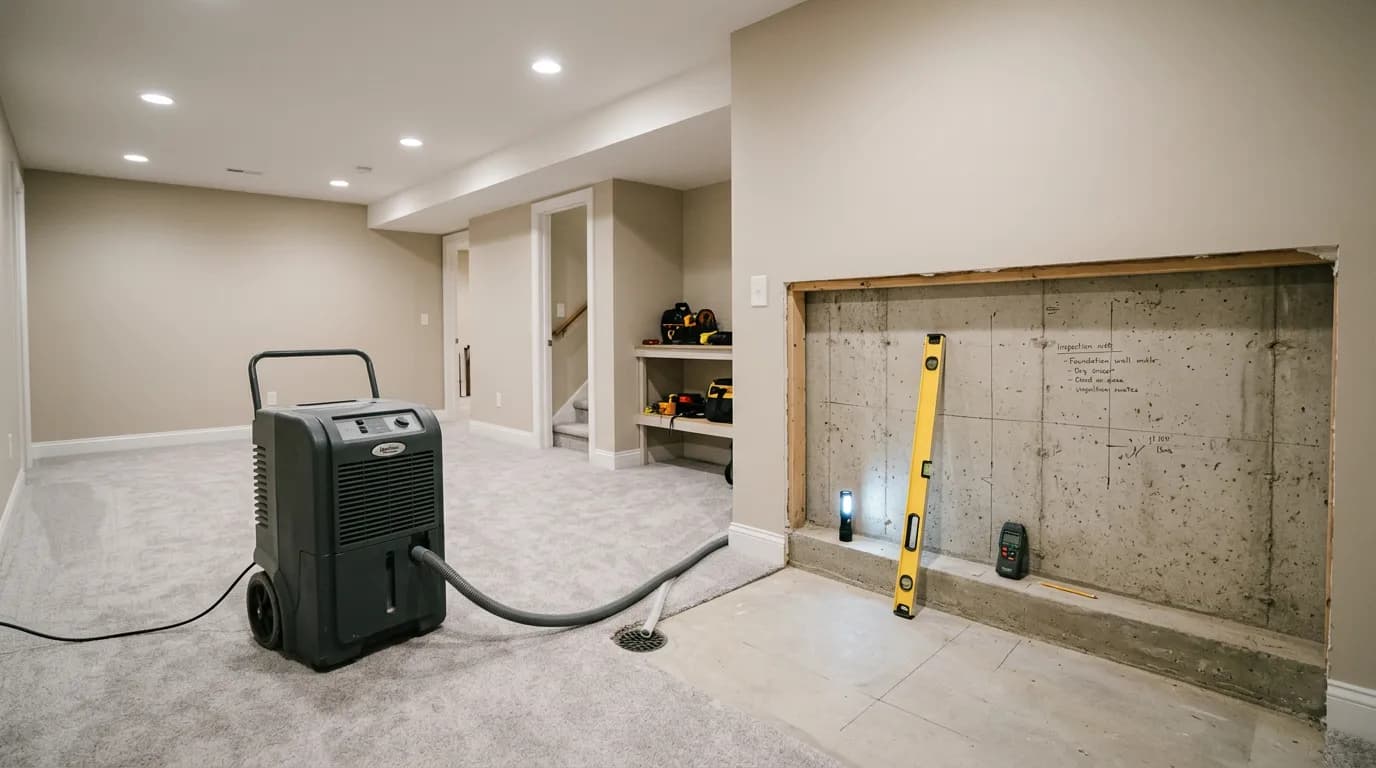
A wall behind furniture or a floor beneath stored material may not be visible until the area is cleared. Newly accessible surfaces can reveal a leak, staining, deterioration, or suspected growth. The next step is documentation and assessment, not an automatic expansion of the invoice.
Ask the crew to record the location and explain what changed. The owner can then authorize an inspection or the appropriate trade review. Any additional work should have a defined scope and price before it proceeds.
The EPA's homeowner guidance emphasizes correcting moisture problems as well as addressing affected materials. Removing damp boxes does not fix the pipe or exterior pathway that wet them.
Keep personal-property decisions separate from building repairs. A family object may need restoration advice, while the wall behind it needs a plumbing or remediation plan. The presence of a hauling crew should not force an immediate decision about either one.
Define the Cleaning That Follows Removal
Cleared space and cleaned space are different outcomes. A written agreement should explain whether the work ends with a broom sweep, includes detailed surface cleaning, or prepares the area for another service.
Specify the surfaces involved. Floors, empty cabinets, appliances, fixtures, walls, and windows are not interchangeable tasks. Some materials may be too damaged for cleaning alone to restore them.
Odor also needs an explanation. The source may be remaining contents, a wet assembly, or another condition. Adding fragrance does not resolve that question. If the smell persists after the agreed removal and cleaning, ask what assessment is recommended next.
A useful final review identifies:
- The areas completed under the agreement.
- The level of cleaning performed.
- Belongings retained or awaiting a decision.
- Materials excluded from the ordinary scope.
- Visible building concerns that need follow-up.
- The agreed next phase, if there is one.
How Cost and Timing Are Determined
The quote depends on the amount of material, the work required to sort it, the carrying route, and any special handling. The number of bedrooms alone cannot describe those conditions. Two similar houses may need very different amounts of labor.
Photographs can help plan a visit, but an extensive property usually benefits from a walkthrough. Point out every included area, including a basement, garage, shed, or exterior pile. Explain what stays so the estimator does not count retained furniture as material to haul.
Decision pace matters too. If the family wants individual review of many objects, the schedule should allow for that. A smaller daily target may be more practical than a larger crew waiting for approvals.
Our Owensboro services are arranged around scheduled crew days and confirmed arrival windows. Share the deadline early, and ask what can realistically be completed within it. An appointment promise should follow the actual scope and available staffing.
Supporting Progress After the Crew Leaves
A physical cleanout creates usable space, but maintaining that space needs a workable household plan. Keep the first commitments small and specific. A clear doorway, an accessible sink, or a usable table is easier to review than a vague promise to keep everything perfect.
If the resident is working with a clinician, organizer, case manager, or trusted support person, coordinate the physical project with the resident's permission. The cleanup company should stay within its role and respect the professional support already in place.
Repair the building problems that make a room difficult to use. A leak, unreliable fixture, or inaccessible storage arrangement can undermine the practical benefit of the work. Keep those items on a separate follow-up list with responsibility assigned.
Discuss maintenance visits only when they fit the household's goals. The purpose is a sustainable arrangement the resident can accept, not a sales promise that one large removal will permanently resolve every difficulty.
Our guide to estate cleanouts in Owensboro covers a different kind of full house cleanout, and our article on hoarding and mold explains why water damage often turns up during the work.
Frequently Asked Questions
Do I need to clean before the walkthrough?
No. Describe known hazards and provide ordinary access where safe. Do not enter an unstable or contaminated area simply to prepare for the visit.
Can the work be handled discreetly?
Discuss parking, loading, scheduling, and available vehicle options when booking. The arrangements depend on the property and route, so they should be confirmed in advance.
Who decides what is thrown away?
The person with authority provides the agreed instructions, with the resident's role clearly addressed. Uncertain or disputed items should be held for a decision rather than discarded by assumption.
Can you start with one room?
A limited phase may be appropriate. Define the room, removal categories, cleaning tasks, and result so everyone understands what that first visit will accomplish.
What if mold is found underneath the contents?
Document the condition and arrange the appropriate assessment. Material treatment and source repair should be separately scoped and approved rather than treated as ordinary hauling.
Is this the same as a home cleaning service?
No. Detailed sorting and removal may be needed before surfaces become accessible. The quote should distinguish those tasks from routine cleaning, specialist work, and repairs.
Start With One Clear Next Step
You do not have to settle every decision about the house before asking for help. A useful walkthrough establishes the immediate goal, the items that matter, and the work the household is ready to authorize. From there, the project can be planned at a practical pace.
Call The Mold Men at 502-660-2660 for a free walkthrough and quote, or schedule online. Share the Owensboro or Daviess County address, any deadline, and the access or privacy arrangements you want us to consider.
Ask about our 15% double-sided referral program, up to $500. The aim is useful space, careful decisions, and a clear explanation of what happens next if the building needs additional attention.